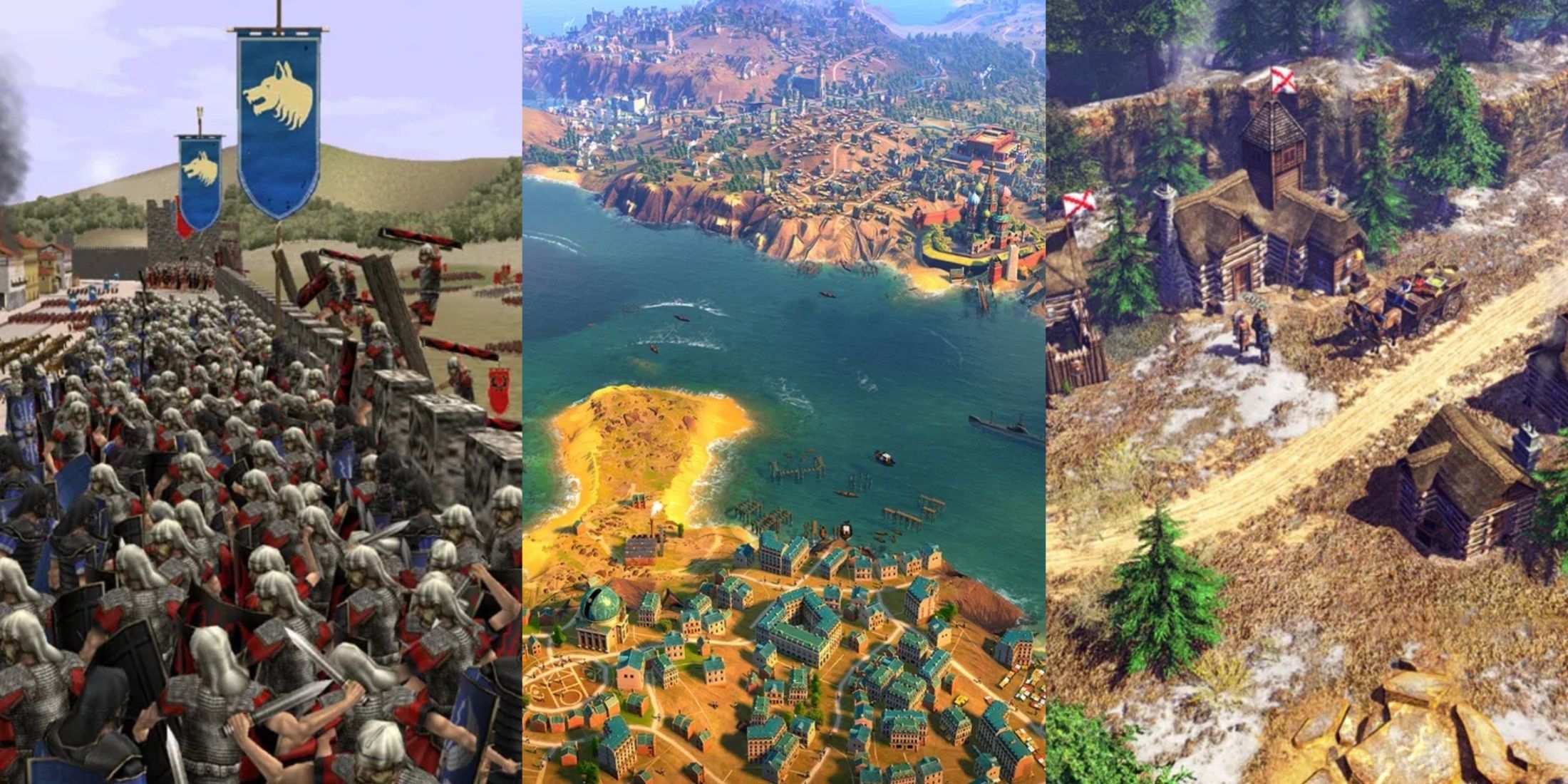
Most players think they understand strategy games—click units, build bases, win. But real strategy demands more: foresight, adaptability, and sacrifice. The best PC strategy games don’t just reward fast clicking; they punish poor planning and reward patience. Whether you're managing empires across centuries or orchestrating a single platoon in real time, the genre’s depth remains unmatched on PC.
This isn't about flashy graphics or viral trends. It's about games where every decision ripples forward—where losing a single scout can unravel a six-hour campaign. If you're tired of shallow tactics and want experiences that demand real thinking, these are the PC strategy games worth your time.
Real-Time Strategy: Speed Meets Strategy
Real-time strategy (RTS) games force you to think fast and act faster. Unlike turn-based titles, there’s no pause to reconsider. Resources deplete, enemies advance, and hesitation is punished.
StarCraft II remains the gold standard. Its three asymmetrical factions—Terran, Zerg, and Protoss—require entirely different playstyles. A Terran player might rely on defensive fortifications and mechanical units, while a Zerg player swarms with fast, cheap units that overwhelm through numbers. Mastery involves macro (economy and production) and micro (unit control), both happening simultaneously.
But don’t overlook Age of Empires IV. Its historical grounding brings realism to the genre. The English build longbows and manor farms, while the Mongols prioritize mobility and raiding. One common mistake? Overextending too early. Beginners often rush to attack, leaving their economy fragile. Seasoned players know that a strong economy at minute 10 decides the match at minute 30.
Pro Tip: Use hotkeys religiously. Mouse-only players cap out around 80 APM (actions per minute). Hotkey users exceed 200—without sacrificing precision.
Turn-Based Mastery: Think Ahead, Win
Later
Turn-based strategy (TBS) games give you time to think—but that doesn’t mean they’re easier. They demand deeper analysis. Every move must consider multiple turns ahead, like chess with armies and logistics.
Civilization VI dominates this space. You guide a civilization from antiquity to the space age. But most players fail by chasing victory conditions too early. Winning through science requires early infrastructure; culture victories need tourism engines by the industrial era. Jumping into spaceship parts at the wrong time leaves you vulnerable.
Alternatively, XCOM 2 blends tactical combat with strategic oversight. You manage a guerrilla resistance against alien occupation. The brilliance lies in consequence: losing a skilled soldier isn’t just a setback—it can cripple your entire campaign. New players often mismanage cover or overextend squads, getting picked off by snipers or flanked by Chryssalids.
Workflow Tip: In XCOM, use the tactical pause system aggressively. Pause after each action to reassess enemy positions. It’s not cheating—it’s smart play.
Grand Strategy: Control Nations, Not Just Armies
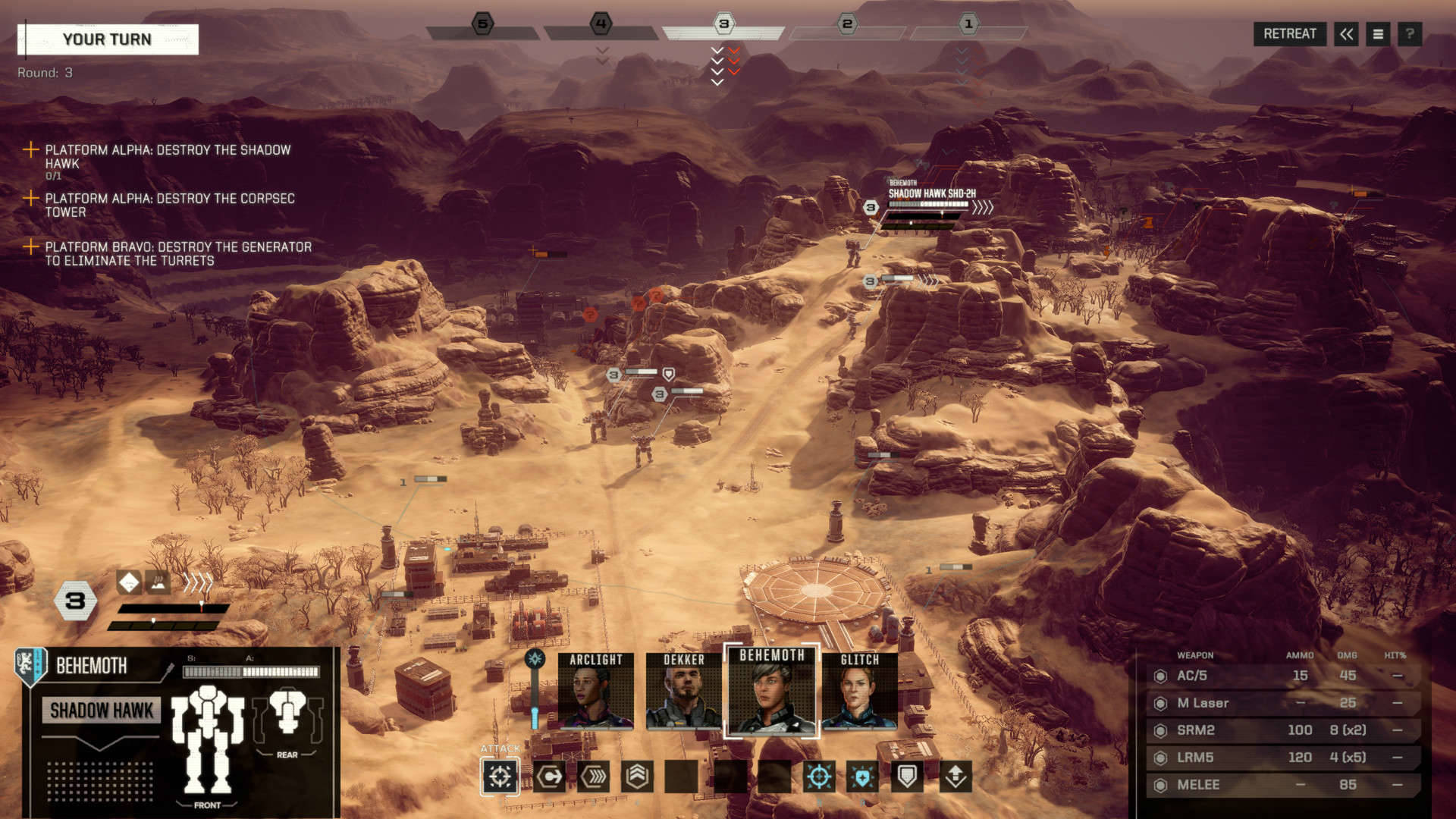
Grand strategy games simulate entire nations, economies, and diplomatic systems. These aren’t games you finish in a weekend. They’re projects that span dozens of hours.
Crusader Kings III stands out. You don’t just command armies—you manage dynasties. Marry off heirs for alliances, manipulate vassals, and stage assassinations. One player might spend 15 hours ensuring their heir survives childhood, only to have their brother start a civil war over inheritance rights. That’s the game.
Europa Universalis IV operates on a geopolitical scale. As a nation like France or Ming, you navigate colonization, trade, and religious conflict. A common error? Ignoring trade power. Controlling key nodes like the Strait of Gibraltar can fund your entire war machine—without raising taxes.
Limitation Note: These games have steep learning curves. Paradox’s documentation helps, but expect a 10-hour investment before feeling competent.
Tower Defense with a Twist:
Strategy in Miniature
Not all strategy games involve massive armies. Some thrive in tighter scopes, like tower defense titles that blend planning and adaptation.
Kingdom Rush 5: Alliance elevates the genre with layered mechanics. Choosing between faction-specific towers (elves vs. dwarves) changes how you handle waves. Placing a wizard tower near a chokepoint? Good. Placing it behind a choke where enemies get slowed first? Better.
New players often spread towers evenly. Experts cluster them in kill zones. Use slow effects before damage zones—this principle, borrowed from MOBAs, maximizes effectiveness.
Example: In one level, using a combination of ice mages (slow) and artillery (splash damage) clears dense groups 40% faster than random placement.
4X Games: Explore, Expand, Exploit, Exterminate
The “4X” formula—Explore, Expand, Exploit, Exterminate—defines a subgenre where you build civilizations from nothing.
Stellaris brings 4X into space with procedural galaxies. Each playthrough generates unique planets, crises, and alien species. But many players drown in micromanagement. Automating mineral extraction and using AI governors for distant colonies is essential at late game.
Slay the Spire, while card-based, fits 4X philosophy in solo runs. You explore floors, upgrade abilities, and adapt to random events. It’s strategy distilled: every card choice shapes your run. Choosing damage over healing might work early—but fail against endurance bosses.
Mistake to Avoid: In Stellaris, ignoring diplomacy can trigger coalition wars. Even if you’re militaristic, use trade agreements and non-aggression pacts to delay conflicts.
War Games That Simulate Real Conflict
Some PC strategy games ditch fantasy for realism. These simulate actual combat dynamics, from logistics to fog of war.
Wargame: Red Dragon focuses on Cold War-era tactical warfare. You build decks of units—tanks, infantry, helicopters—then deploy them on dynamic maps. Unlike RTS games, there’s no base building. You win through superior positioning and combined arms.
One overlooked element? Air recon. Sending a recon plane early reveals enemy artillery, which can otherwise shell you from off-map. Yet many players skip recon, assuming radar shows everything. It doesn’t.
Real Use Case: A player using BMP-2s (amphibious IFVs) to flank across a river caught an enemy by surprise. The key? Knowing unit amphibious capabilities—a detail buried in the manual.
Strategy Game Modding: Extend the Life of Classics
The longevity of PC strategy games often comes from modding. Unlike console titles, PC versions invite customization.
Total War: Warhammer III thrives on mods. The Realism Overhaul mod removes fantasy elements, making battles slower and more tactical. Another mod, Sakura, transforms the game into a feudal Japan epic with new factions and mechanics.
Steam Workshop integration makes modding accessible. But a common issue? Mod conflicts. Installing two mods that edit the same file can crash the game. Always check compatibility notes and load order.
Tip: Use the mod manager in Crusader Kings III or Stellaris to enable/disable mods without reinstalling.
5 Essential Strategy Games to Play Now
Here’s a curated list of PC strategy games that deliver depth, replayability, and real challenge:
| Game | Type | Why It Stands Out |
|---|---|---|
| StarCraft II | RTS | Unmatched competitive depth and balance |
| Civilization VI | 4X / TBS | Rewarding long-term planning and adaptability |
| Crusader Kings III | Grand Strategy | Deep simulation of politics, family, and intrigue |
| XCOM 2 | Tactical TBS | High stakes, permadeath, and mission variety |
| Wargame: Red Dragon | Realistic RTS | Authentic Cold War warfare with deck-building |
Each offers a different flavor of strategy. If you want speed and precision: StarCraft II. If you prefer slow-burn empire management: Crusader Kings III.
Avoid These Strategy Game Pitfalls
Even experienced players fall into traps. Recognizing them is the first step to improvement.
- Over-automating: Delegating too much in grand strategy games leads to inefficiency. Check tax rates, military upkeep, and trade routes regularly.
- Ignoring Fog of War: In RTS games, scouts are cheap. Not using them is like fighting blindfolded.
- Chasing Victory Conditions Blindly: In Civilization, switching from science to culture late-game rarely works. Pick early, adapt, but don’t pivot recklessly.
- Misjudging Unit Synergy: In Wargame, sending tanks without infantry support makes them vulnerable to anti-tank units.
Track your in-game mistakes. Many strategy games have replay or log features. Review them like a coach reviewing game film.
Master Strategy, Not Just Mechanics
The best PC strategy games don’t just test reflexes or grinding. They test judgment. They force you to weigh trade-offs: attack now and risk economy, or wait and lose momentum?
You won’t win every battle. But in games like Total War or Stellaris, loss teaches more than victory. A crushed invasion might reveal flaws in unit composition. A diplomatic collapse might highlight poor vassal management.
These games endure because they mirror real strategic thinking—planning under uncertainty, managing resources, leading teams.
Start here: Pick one game. Play it for 10 hours. Focus on one mechanic—economy, unit control, or diplomacy. Master it. Then expand.
Strategy isn’t about winning fast. It’s about thinking deeper. The battlefield rewards patience, precision, and purpose.